Introduction to HVAC Systems
For many Nashua homeowners, understanding the intricacies of HVAC (Heating, Ventilation, and Air Conditioning) systems might seem daunting. However, having a basic understanding of how these systems work can empower you to make informed decisions about maintenance and upgrades. In this guide, we'll break down the components of HVAC systems in simple terms, offering Nashua residents insights into their function and importance in 2026.
What is an HVAC System?
At its core, an HVAC system is a technology that provides heating, ventilation, and cooling to residential or commercial buildings. It ensures indoor comfort by regulating temperature and maintaining air quality. Let's explore the primary components of an HVAC system:
1. Heating Component
The heating component of your HVAC system is typically a furnace or a heat pump:
- Furnace: This is the most common heating source. It uses fuel, usually natural gas, to generate heat.
- Heat Pump: This versatile unit can both heat and cool your home by transferring heat from one place to another, making it energy-efficient.
2. Ventilation Component
Ventilation is essential for maintaining indoor air quality by exchanging indoor and outdoor air:
- Natural Ventilation: This occurs through windows and doors that allow outdoor air to enter your home.
- Mechanical Ventilation: This involves fans and ducts to circulate air within your home, often integrated into the HVAC system.
3. Air Conditioning Component
The cooling component of an HVAC system is usually an air conditioner:
- Central Air Conditioner: This system circulates cool air through a series of ducts.
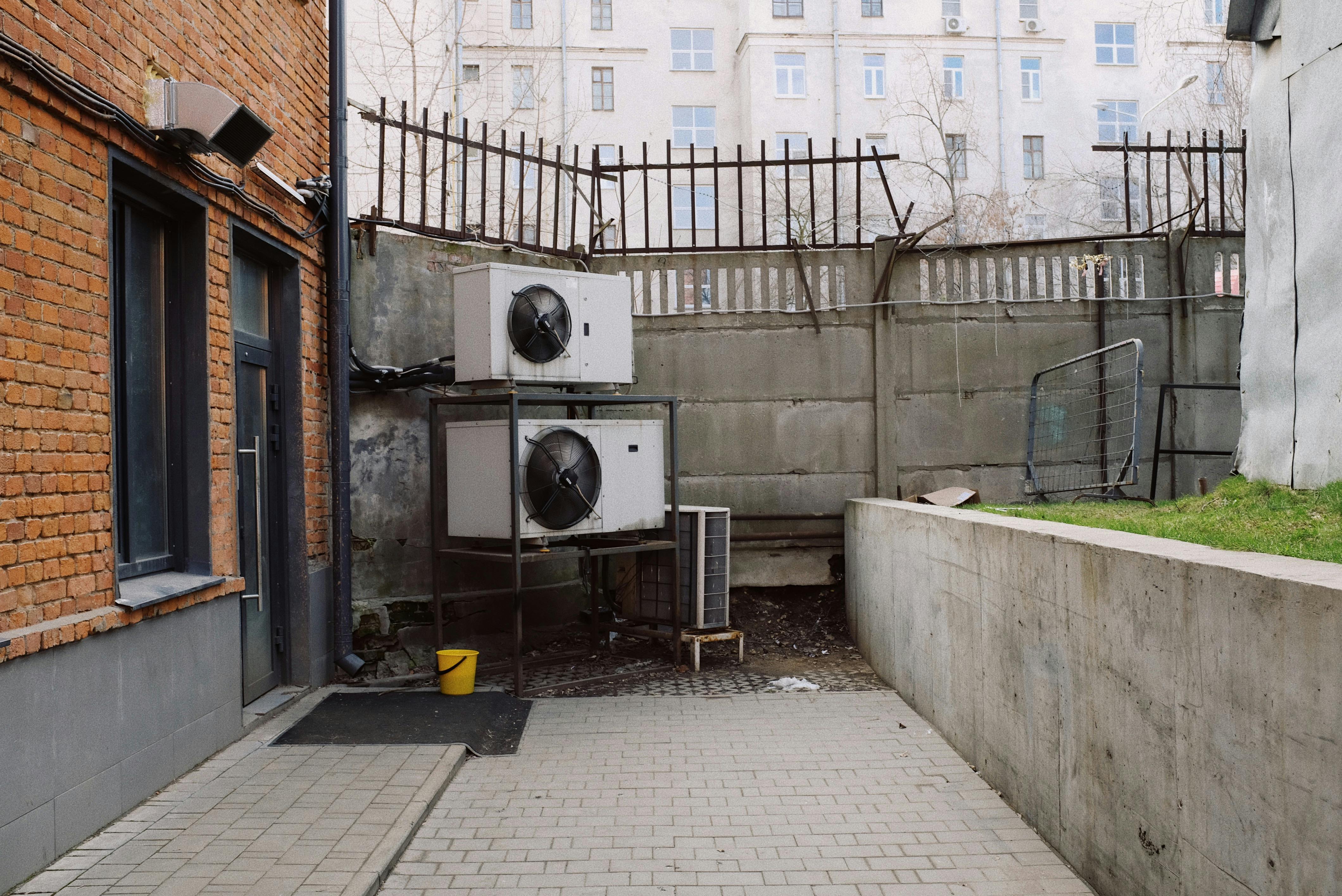
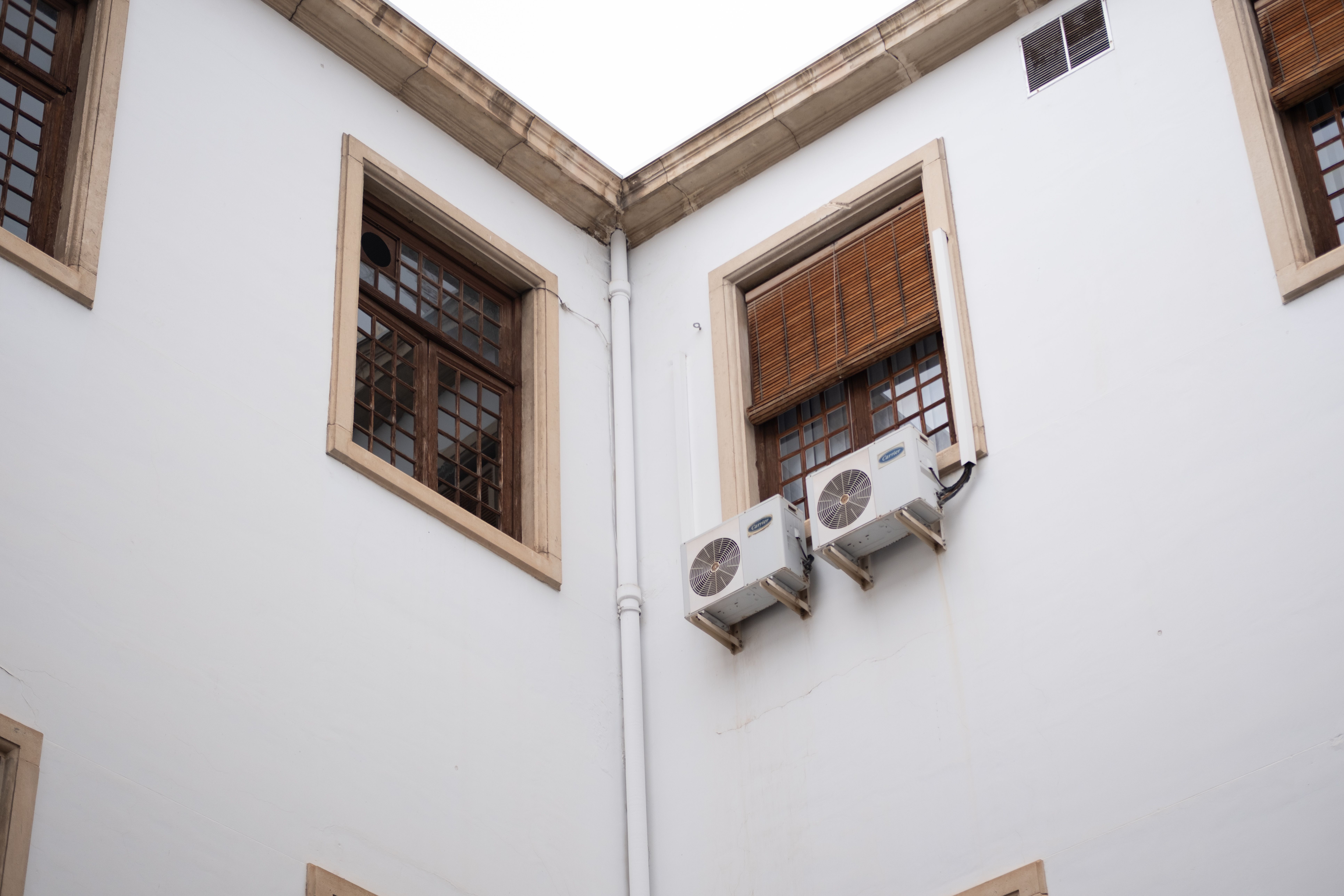
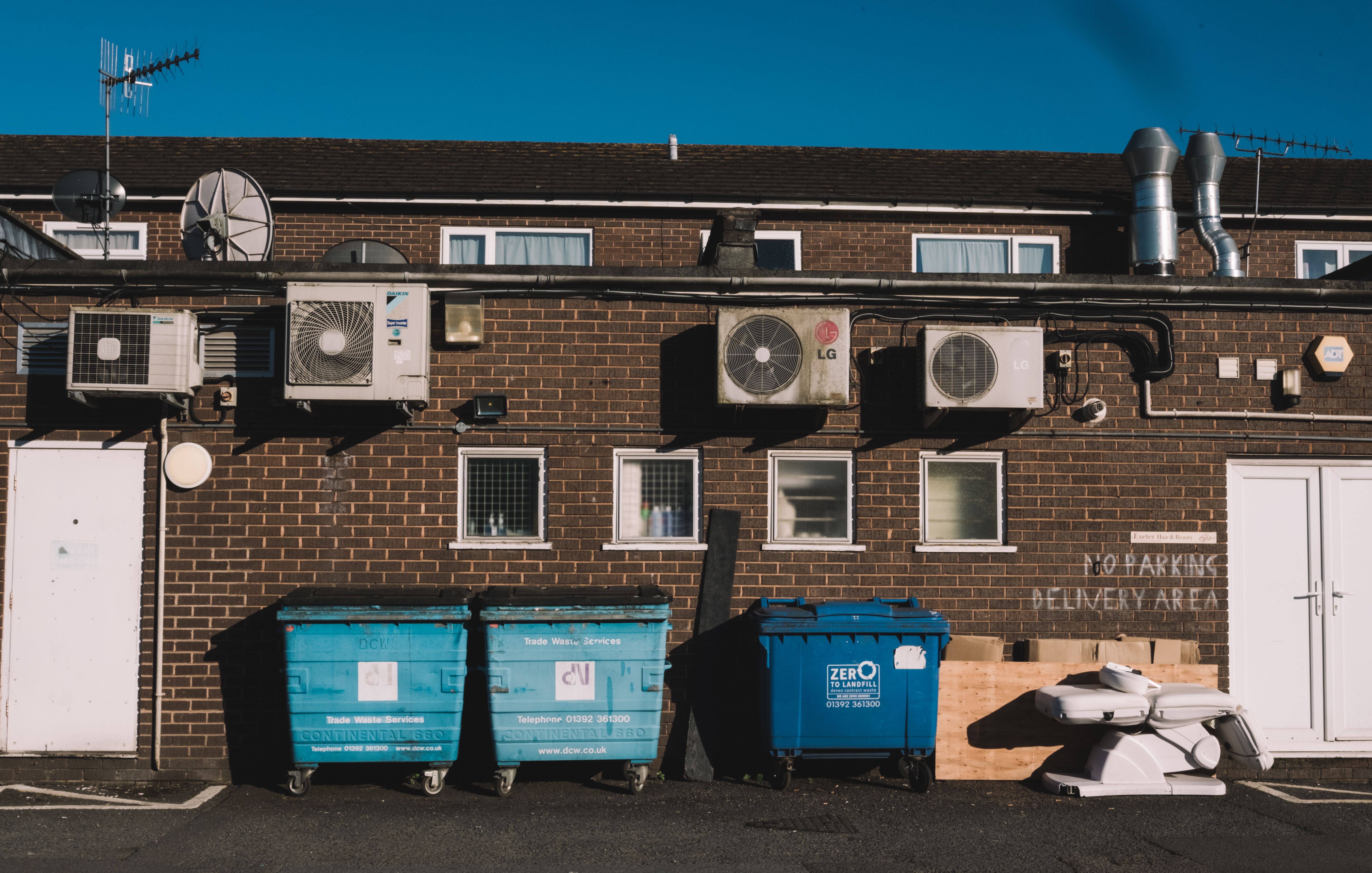
- Split System Air Conditioner: This consists of an outdoor unit and an indoor unit, ideal for homes without ductwork.
How Does an HVAC System Work?
Understanding the functioning of an HVAC system involves grasping how these components work together:
- Heating: When your thermostat detects a drop in temperature, it signals the furnace or heat pump to start generating heat, distributing it through your home's ductwork.
- Cooling: In cooling mode, the air conditioner removes warm air from your home, cooling it before redistributing it through the ductwork.
- Ventilation: Throughout the year, ventilation ensures a steady flow of fresh air, removing stale air to maintain indoor air quality.
Maintaining Your HVAC System
Regular maintenance is crucial to keep your HVAC system running efficiently. Here are some tips for Nashua homeowners:
- Change Air Filters: Replace air filters every 1-3 months to ensure optimal airflow and air quality.
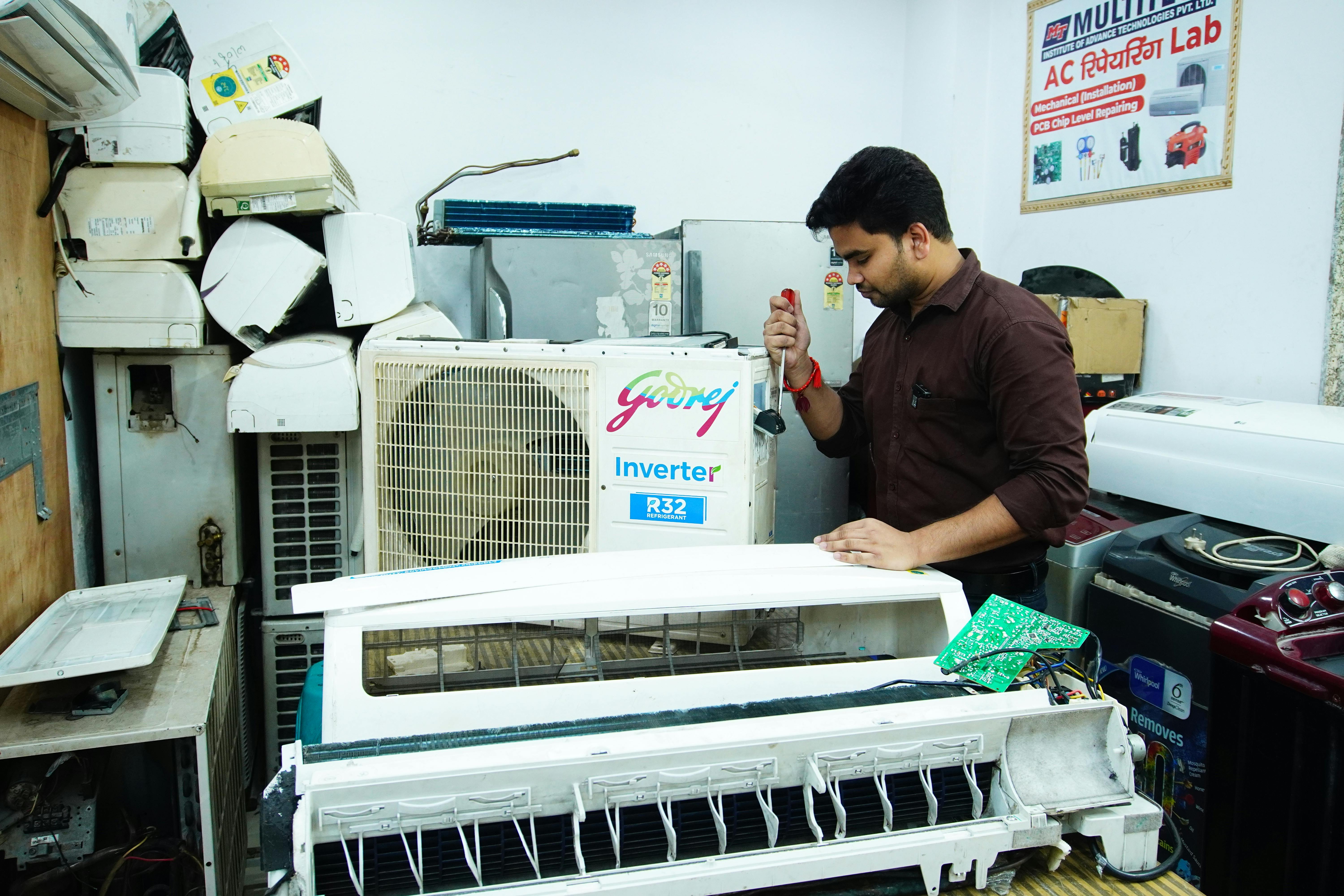
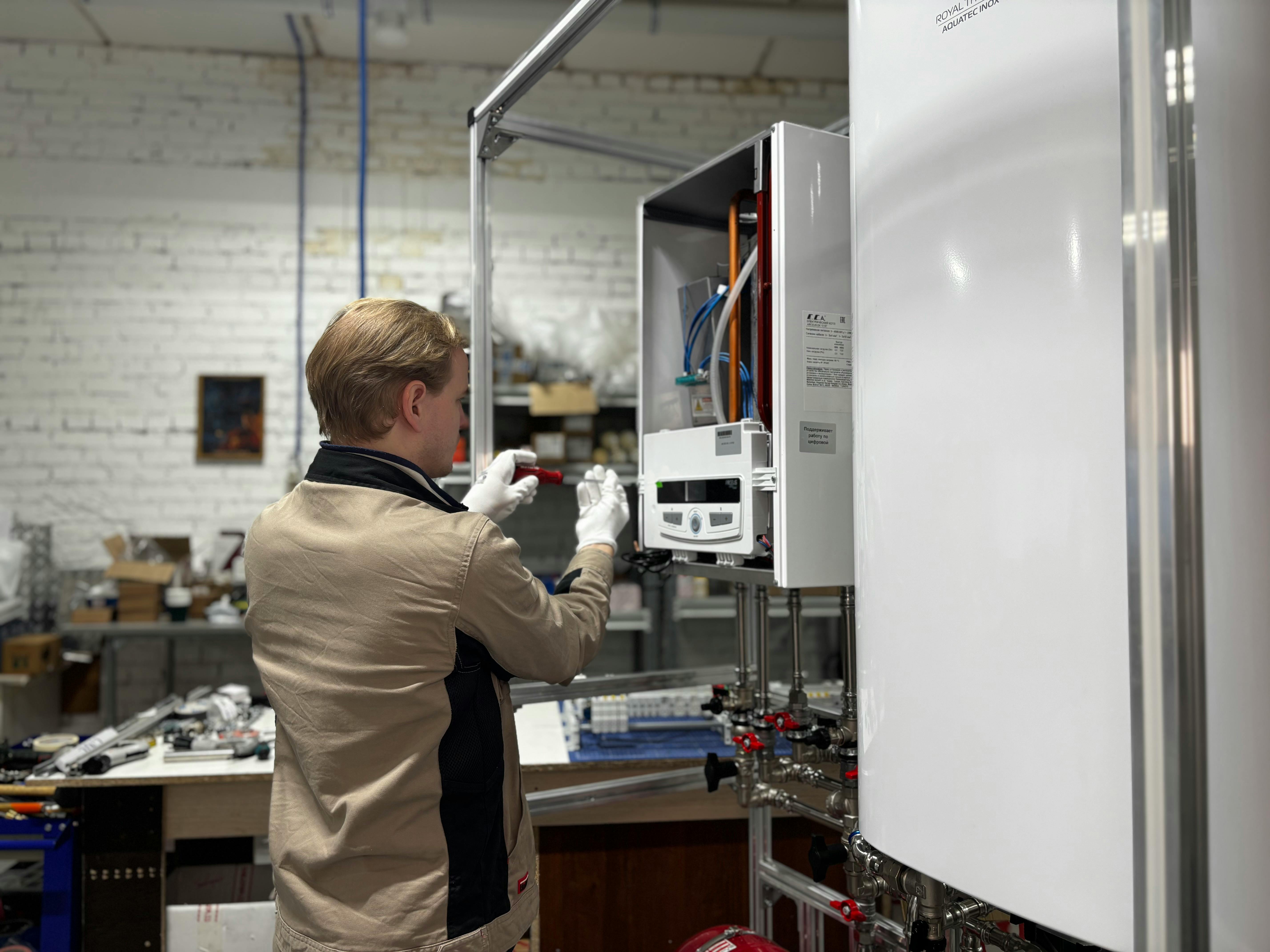
- Schedule Regular Inspections: Have a professional inspect your HVAC system at least twice a year to catch any issues early.
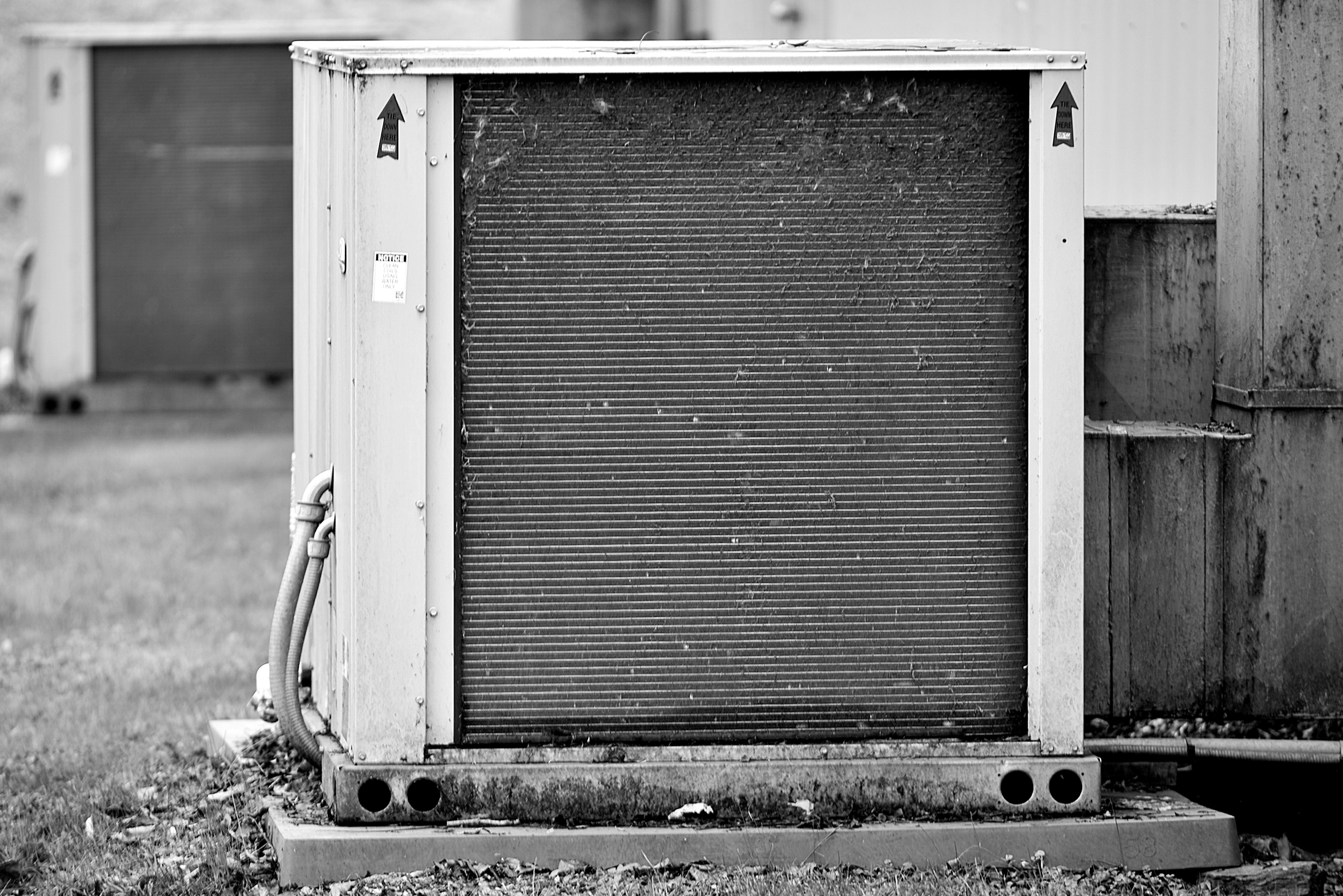
- Clear Debris: Keep outdoor units free from leaves, dirt, and debris to prevent airflow obstruction.
- Check Thermostat Settings: Ensure your thermostat is functioning correctly to maintain desired temperatures efficiently.
Why Understanding HVAC Systems Matters in 2026
As we move further into 2026, energy efficiency and smart home integration are becoming increasingly important for homeowners. Understanding your HVAC system allows you to:
- Improve Energy Efficiency: Knowledge of HVAC components helps you choose energy-efficient options, reducing utility bills.
- Make Smart Home Upgrades: Integrating smart thermostats and other technologies can enhance your system's efficiency and convenience.
- Enhance Indoor Air Quality: Awareness of ventilation and filtration options helps maintain a healthy living environment.
Conclusion
Understanding the basics of your HVAC system is not only empowering but essential for maintaining a comfortable and efficient home. By familiarizing yourself with the components and their functions, you can make informed decisions about maintenance, upgrades, and repairs. Barrett's Oil Burner Services in Nashua, New Hampshire, is here to assist with all your HVAC needs, ensuring your home stays comfortable year-round. Contact us today for more information or to schedule a service.