Introduction
As a small business owner in Nashua, New Hampshire, optimizing your HVAC system for efficiency and cost-effectiveness is essential. In 2026, with energy costs fluctuating and environmental standards becoming stricter, understanding how to manage your heating, ventilation, and air conditioning systems can make a significant difference in your bottom line and employee comfort.
The Importance of HVAC Optimization
HVAC systems are crucial for maintaining a comfortable and productive environment in your small business. Efficient systems reduce energy consumption, minimize operational costs, and contribute to a healthier indoor climate. Let's explore practical strategies to optimize your HVAC systems in 2026.
Conducting an Energy Audit
Why an Energy Audit? Conducting an energy audit is the first step in identifying potential savings and inefficiencies in your HVAC system. It helps you understand your current energy usage and pinpoint areas for improvement.
Steps to Perform an Energy Audit
- Hire a Professional: Engage a certified energy auditor who can provide detailed insights.
- Analyze Energy Bills: Review past energy bills to identify patterns and spikes in usage.
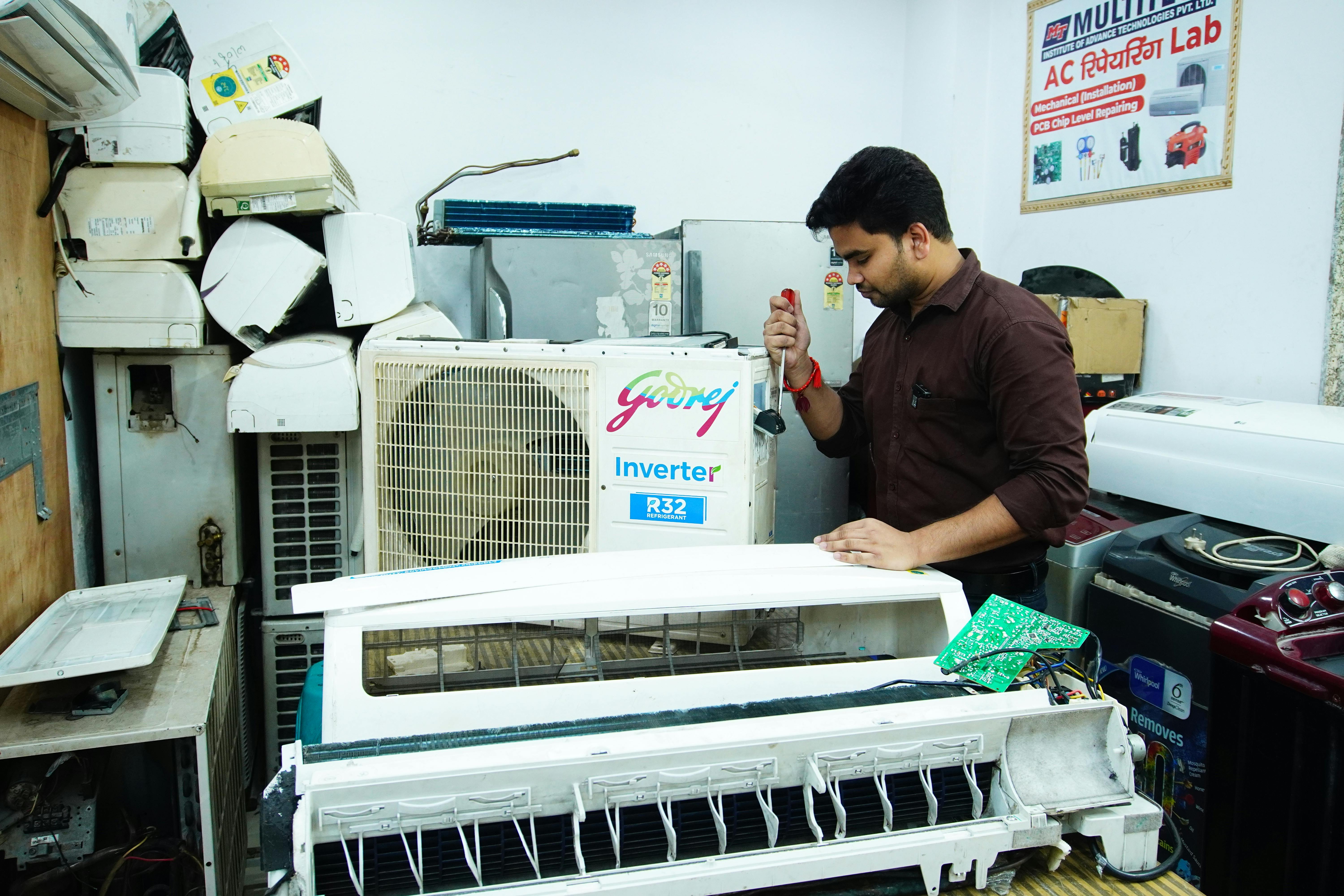
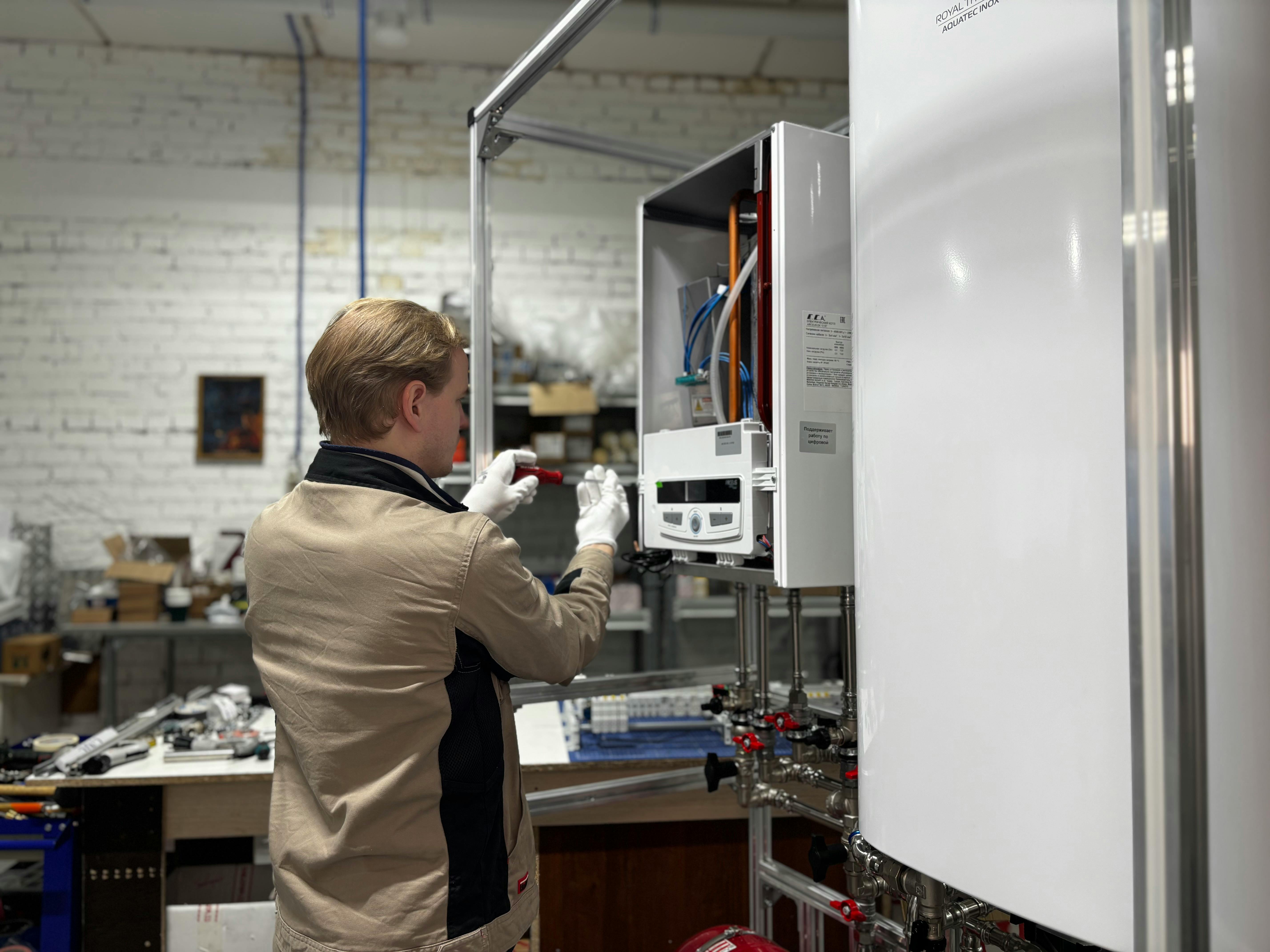
- Inspect Equipment: Check the condition and efficiency of HVAC equipment, including filters and ductwork.
- Evaluate Insulation: Assess insulation levels to prevent energy loss.
Implementing Smart Thermostats
In 2026, smart thermostats are a game-changer for small businesses. They offer precise control over heating and cooling, leading to substantial energy savings.
Benefits of Smart Thermostats
- Remote Access: Control your HVAC system from anywhere via a smartphone app.
- Energy Reports: Receive detailed reports on energy usage to make informed decisions.
- Learning Capabilities: Smart thermostats adapt to your schedule, optimizing temperatures automatically.
Regular Maintenance and Upgrades
Regular maintenance is crucial for the longevity and efficiency of your HVAC system. In 2026, advanced diagnostic tools make it easier than ever to keep your system in top shape.
Best Practices for Maintenance
- Schedule Bi-Annual Inspections: Regular inspections can identify issues before they become costly repairs.
- Replace Filters: Change air filters every 1-3 months to ensure optimal air flow and quality.
- Upgrade Equipment: Consider upgrading to energy-efficient models that comply with the latest standards.
Optimizing Ventilation
Proper ventilation is essential for indoor air quality, especially in commercial settings. In 2026, advancements in ventilation technology provide more efficient solutions.
Ventilation Strategies
- Install Energy Recovery Ventilators (ERVs): ERVs efficiently exchange indoor and outdoor air while maintaining energy efficiency.
- Utilize Demand-Controlled Ventilation: Adjust ventilation based on occupancy levels to save energy.
- Regular Cleaning: Keep vents and ducts clean to ensure optimal air flow.
Conclusion
Optimizing your HVAC system in 2026 is not just about cutting costs—it's about creating a comfortable, sustainable environment for your business and its employees. By conducting energy audits, implementing smart technology, maintaining your equipment, and optimizing ventilation, you can ensure your HVAC system is efficient and reliable. Barrett's Oil Burner Services is here to assist small businesses in Nashua with all their HVAC needs, providing expert guidance and services tailored to your specific requirements.